Table of Contents
- – Recognizing the Consuming Disorder-OCD Connection
- – Eating Disorders in Athletes and Dancers: A Di...
- – OCD Therapy: Beyond Contamination Fears
- – EMDR Intensives for Trauma-Based Consuming Dis...
- – Stress And Anxiety Therapy as Foundation for R...
- – Searching For Specialized Therapy for Long-ter...

The intersection of consuming conditions and obsessive-compulsive condition represents among the most difficult presentations in mental wellness therapy. These conditions commonly share underlying patterns of inflexible reasoning, anxiety-driven behaviors, and tries to control uncertainty via ceremonial actions. For athletes, professional dancers, and individuals with nit-picker propensities, these disorders can become specifically entrenched, woven into identity and efficiency in manner ins which make recognition and treatment much more intricate.
Recognizing the Consuming Disorder-OCD Connection
Eating conditions and OCD share considerable neurobiological and mental overlap. Both conditions involve intrusive thoughts, compulsive habits, and enhanced anxiety when routines are interfered with. Study suggests that roughly 40% of individuals with eating disorders likewise fulfill requirements for OCD, recommending these problems may stand for different expressions of similar underlying vulnerabilities.
The partnership between these conditions frequently manifests as a vicious circle. Compulsive thoughts about food, body shape, or weight drive compulsive eating behaviors, exercise routines, or restrictive patterns. These actions temporarily minimize anxiety, enhancing the cycle and making it gradually harder to break. With time, what began as efforts to manage anxiety or achieve certain objectives evolves into an inflexible system that dominates life.
Consuming disorder treatment that resolves these obsessive-compulsive attributes calls for specialized understanding. Generic strategies to disordered eating may miss the anxiety-driven systems preserving behaviors, while standard OCD treatment could ignore the body image and identification components main to eating disorders. Integrated treatment approaches identify this intricacy and address both the obsessive-compulsive patterns and the specific features of disordered eating.
Specialists focusing on this intersection, such as those at Live Mindfully Psychiatric therapy, recognize that efficient treatment has to address several layers simultaneously. This consists of working with the cognitive rigidness feature of both problems, the underlying anxiety driving habits, and the identification elements that make change feel threatening.
Eating Disorders in Athletes and Dancers: A Distinct Challenge
Athletes and dancers deal with certain susceptability to eating problems, with occurrence prices significantly greater than in the general population. The emphasis on body make-up, weight requirements, and aesthetic perfects in these fields produces an environment where disordered consuming can establish under the role of dedication or expertise. What begins as "" clean eating"" or "" optimum fueling"" can slowly advance right into restrictive consuming disorders that compromise both health and wellness and efficiency.
The athletic and dance neighborhoods typically stabilize habits that would be identified as disordered in various other contexts. Prolonged training sessions, stiff meal timing, obsessive body monitoring, and workout obsession might be checked out as indicators of dedication as opposed to warning indicators. This normalization makes it harder for professional athletes and professional dancers to identify when their partnership with food and workout has gone across right into pathological area.
Perfectionism, highly valued in athletic and creative pursuits, works as both a risk variable and keeping device for consuming disorders. The same qualities that drive quality-- technique, focus to information, high criteria-- can sustain compulsive patterns around food and body. Athletes and dancers frequently are afraid that addressing their eating disorder will endanger their efficiency, not recognizing that the condition itself is restricting their possibility with physiological deficiency and psychological preoccupation.
Specialized eating condition therapy for athletes and professional dancers must navigate these unique characteristics. Treatment approaches that honor the individual's commitment to their sporting activity or art while dealing with the harmful patterns confirm most effective. Therapists collaborating with these populaces recognize sport-specific pressures and can help customers create much healthier connections with food and body without requiring them to abandon their sports or imaginative searches.
OCD Therapy: Beyond Contamination Fears
While lots of associate OCD with contamination worries and hand cleaning, the problem materializes in diverse means. Intrusive thoughts about damage, sexual web content, spiritual problems, or symmetry can be equally distressing. For individuals with eating disorders, OCD frequently involves obsessions concerning food, contamination worries regarding eating, or compulsions around exercise and body checking.

Effective OCD therapy normally includes direct exposure and response avoidance (ERP), a therapy approach that assists individuals deal with feared circumstances while withstanding compulsive feedbacks. For consuming problem presentations with OCD features, this could include exposures to been afraid foods, lowering body monitoring habits, or enduring unpredictability around consuming decisions. The procedure is progressive and individualized, appreciating each person's preparedness while testing avoidance patterns that maintain anxiousness.
[:specialty]Cognitive-behavioral treatment for OCD helps individuals identify the thought patterns that fuel compulsions. Learning to determine compulsive thoughts without involving with them via routines verifies central to recovery. This metacognitive awareness-- the capability to observe ideas without automatically thinking or acting upon them-- stands for an important skill that benefits both OCD and eating disorder healing.
Lots of individuals with OCD and consuming conditions additionally have problem with perfectionism, seeing anything less than full control as failure. This all-or-nothing reasoning reaches treatment itself, with individuals often thinking they need to be "" excellent"" at recovery. Therapy has to deal with these perfectionistic standards, assisting clients establish self-compassion and resistance for the untidy, nonlinear nature of healing.
EMDR Intensives for Trauma-Based Consuming Disorders
Progressively, medical professionals acknowledge that numerous eating disorders have origins in terrible experiences. Whether developmental trauma, specific traumatic events, or the accumulation of damaging experiences, unsolved trauma commonly underlies the demand for control that consuming conditions give. EMDR intensives offer a focused technique to processing these stressful foundations, attending to the deeper motorists of disordered eating.
EMDR intensives press therapy right into extended sessions over days as opposed to weeks, enabling for more extensive processing. For eating disorder therapy, this extensive format can increase progression by resolving several distressing memories or experiences in a focused timeframe. The strategy proves particularly useful for people who have actually completed typical eating problem therapy yet continue battling with underlying anxiousness or trauma-related triggers.
The link in between injury and eating problems manifests in various methods. For some, disordered eating stands for an attempt to redeem control after experiences of powerlessness. For others, body frustration links to messages gotten during developmental years or particular terrible experiences. EMDR aids reprocess these memories and linked beliefs, minimizing their emotional charge and enabling for even more flexible self-perception.
Incorporating EMDR intensives with continuous eating problem treatment and dietary support produces a thorough therapy strategy. While EMDR addresses underlying trauma, simultaneous assistance helps people create brand-new coping systems and preserve recovery-oriented actions. This integrated approach recognizes that consuming disorders serve features in individuals's lives, and long lasting change requires both refining what drove the condition and building alternate means of handling distress.
Stress And Anxiety Therapy as Foundation for Recuperation
Anxiousness underlies both consuming conditions and OCD, making stress and anxiety monitoring skills necessary for recovery. Finding out to tolerate unpredictability, handle physical anxiousness sensations, and reply to challenging emotions without considering condition behaviors represents core operate in treatment. Stress and anxiety therapy gives these fundamental abilities while assisting individuals comprehend their one-of-a-kind anxiousness patterns.
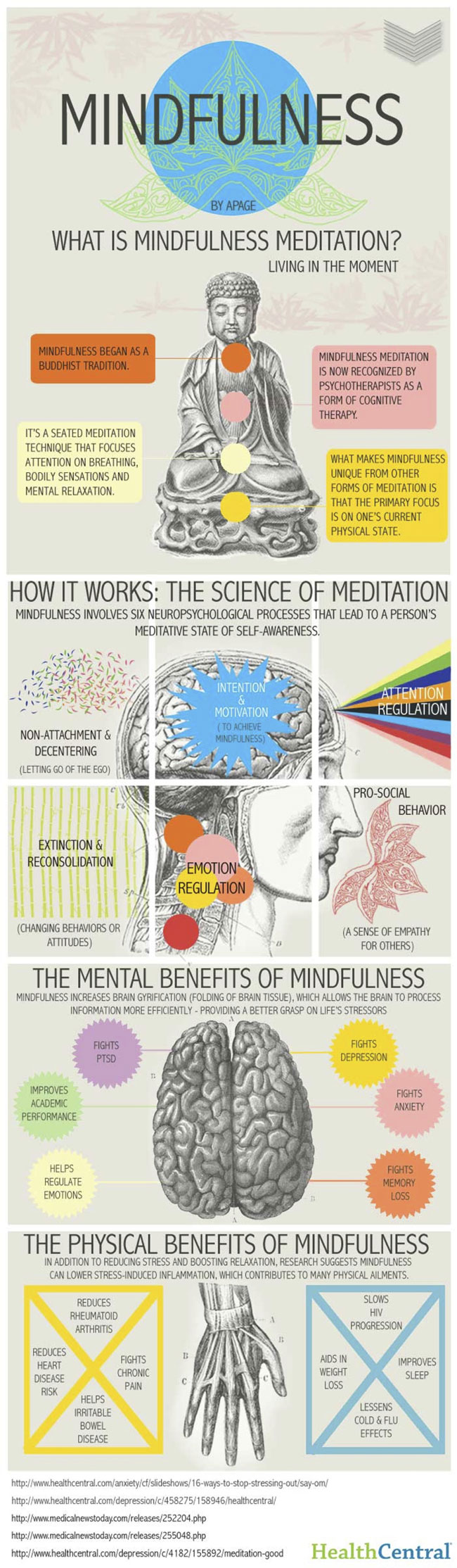
Mindfulness-based techniques confirm especially useful for eating disorder and OCD treatment. These techniques help individuals observe thoughts and experiences without immediately responding, creating space between triggers and reactions. For a person with an eating condition, mindfulness could entail observing anxiety around food choices without automatically limiting. For OCD discussions, it could imply observing intrusive ideas without taking part in uncontrollable actions.
Somatic methods to stress and anxiety therapy address the body-based components often neglected in cognitive treatments. Several individuals with eating problems and OCD experience heightened interoceptive awareness-- sensitivity to interior bodily feelings-- which can drive anxiety and uncontrollable actions. Finding out to regulate the anxious system with breath job, progressive leisure, or various other somatic strategies supplies concrete devices for handling anxiety in real-time.
Searching For Specialized Therapy for Long-term Recovery
Healing from consuming conditions and OCD calls for customized treatment that addresses the unique attributes of these conditions. Generic methods might supply short-lived relief however often miss out on the maintaining systems that drive regression. Specialists with certain training in consuming conditions, OCD, and injury comprehend these nuances and can supply targeted treatments that attend to origin instead of simply symptoms.
When seeking treatment, think about specialists that incorporate numerous evidence-based techniques rather than depending on a solitary modality. Eating disorders and OCD rarely reply to one-size-fits-all treatment, and versatility in method enables specialists to adjust interventions to specific needs. Additionally, partnership with various other providers-- such as dietitians, doctors, and psychoanalysts-- usually verifies essential for extensive care resolving all aspects of healing.
EMDR IntensivesFor professional athletes, dancers, and perfectionists battling with eating problems or OCD, locating a therapist that comprehends these details contexts makes considerable distinction. Therapy that honors your worths and goals while attending to hazardous patterns develops the foundation for lasting recuperation that improves as opposed to limitations your life and pursuits.

Table of Contents
- – Recognizing the Consuming Disorder-OCD Connection
- – Eating Disorders in Athletes and Dancers: A Di...
- – OCD Therapy: Beyond Contamination Fears
- – EMDR Intensives for Trauma-Based Consuming Dis...
- – Stress And Anxiety Therapy as Foundation for R...
- – Searching For Specialized Therapy for Long-ter...
Latest Posts
Expressing Emotions Through Language Barriers
Maintaining Progress in Trauma therapy
How EMDR Addresses Complex Trauma
Navigation
Latest Posts
Expressing Emotions Through Language Barriers
Maintaining Progress in Trauma therapy
How EMDR Addresses Complex Trauma